HOW WELL DO YOU KNOW YOUR EYES?
October 2026
We rely on our eyes from the moment we wake up in the morning until we close them at night, but how much do you actually know about your own vision? Take this quick just-for-fun eye quiz to find out. Keep track of your answers and check your score at the end. No peeking!
1. HOW MANY TIMES DO YOU BLINK IN A TYPICAL MINUTE?
A. 2–3 times
B. 10–20 times
C. About 50 times
Answer: B. Most people blink around 10–20 times a minute, although this varies considerably. Interestingly, we tend to blink less when concentrating on a computer or phone, which is one reason our eyes can feel dry after prolonged screen use.
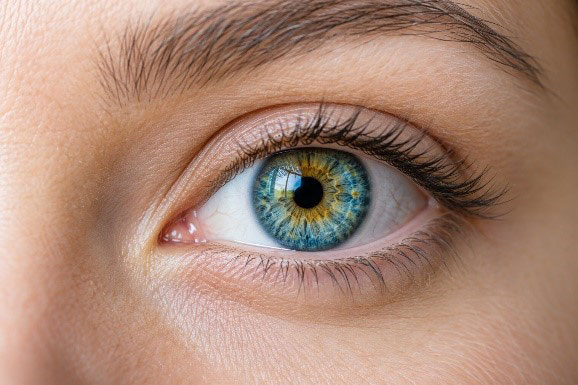
2. WHICH PART OF YOUR EYE DETERMINES ITS COLOUR?
| |
A. Retina
B. Cornea
C. Iris
Answer: C. The iris is the coloured part surrounding the pupil. Although the pupil appears black, it isn’t actually a black spot, but an opening that allows light into the eye.
3. TRUE OR FALSE? CARROTS CAN HELP YOU SEE IN COMPLETE DARKNESS.
Answer: False. Carrots contain beta-carotene, which is a plant pigment that the body converts into vitamin A, an important nutrient for normal vision. But no amount of carrot cake will give you night-vision! Other sources of beta-carotene include bright orange, yellow and red fruits and vegetables, such as sweet potatoes, butternut and apricots, as well as dark green leafy plants like spinach and kale.
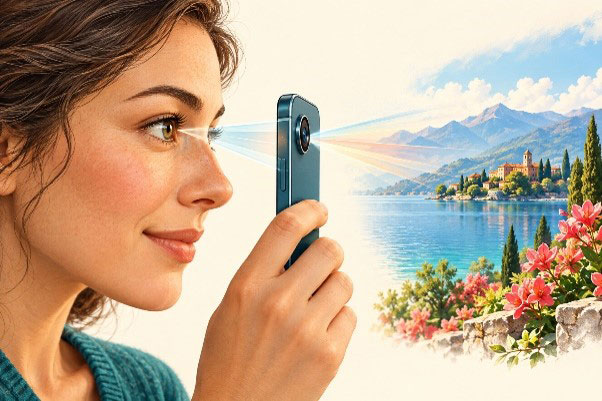
4. WHICH HAS THE HIGHER RESOLUTION, YOUR EYES OR THE LATEST SMARTPHONE CAMERA?
| |
A. Your eyes
B. Your smartphone
C. It’s not really a fair comparison
Answer: C. The eye and a digital camera work very differently, so assigning the human eye a simple “megapixel” number is misleading. Your visual system is constantly moving, focusing and combining information from two eyes while your brain processes the results. While your phone is clever, your visual system is considerably cleverer!
5. TRUE OR FALSE? EVERYONE HAS A BLIND SPOT.
Answer: True. Each eye has a small blind spot where the optic nerve leaves the retina, because there are no light-detecting cells at this point. Why don’t you notice a hole in your vision? Your brain uses information from the other eye and surrounding scene to compensate for what’s missing.
6. WHICH COLOUR IS THE HUMAN EYE GENERALLY MOST SENSITIVE TO IN DAYLIGHT?
A. Green
B. Red
C. Blue
Answer: A. Under normal daylight conditions, human visual sensitivity peaks in the green region of the spectrum.
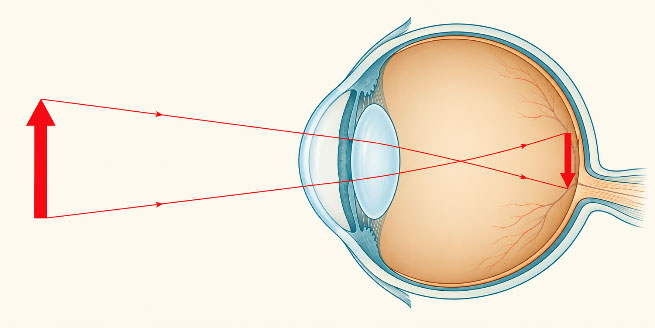
7. WHAT HAPPENS TO AN IMAGE WHEN IT REACHES YOUR RETINA?
| |
A. It remains the right way up
B. It is projected upside down
C. It becomes black and white
Answer: B. The eye’s optical system projects an inverted image onto the retina. The visual system in the brain interprets the signals sent by the retina so that you experience the world the right way up. Thankfully, you don’t have to think about this every morning!
8. TRUE OR FALSE? IF YOU CAN SEE CLEARLY, YOUR EYES MUST BE HEALTHY.
Answer: False. This is perhaps the most important question in our quiz. Seeing well does not necessarily tell the whole story. Some eye conditions can develop without causing obvious symptoms in their early stages. Regular eye examinations are important because vision conditions with no symptoms can be detected and treated before symptoms appear. Early detection generally makes for a better long-term outcome.
HOW DID YOU SCORE?
7–8 correct: Eagle Eyes! You clearly know your eyes.
5–6 correct: Looking good. Your eye knowledge is definitely in focus.
3–4 correct: A little blurry around the edges, but respectable.
0–2 correct: We won’t tell your optometrist!
Whatever your score, there’s one crucial question we deliberately left out.
When did you last have your eyes examined?
The answer to this one really does matter!
This newsletter article is authored by EyeMark.
The views and opinions expressed herein are not necessarily those of the optometrist.