
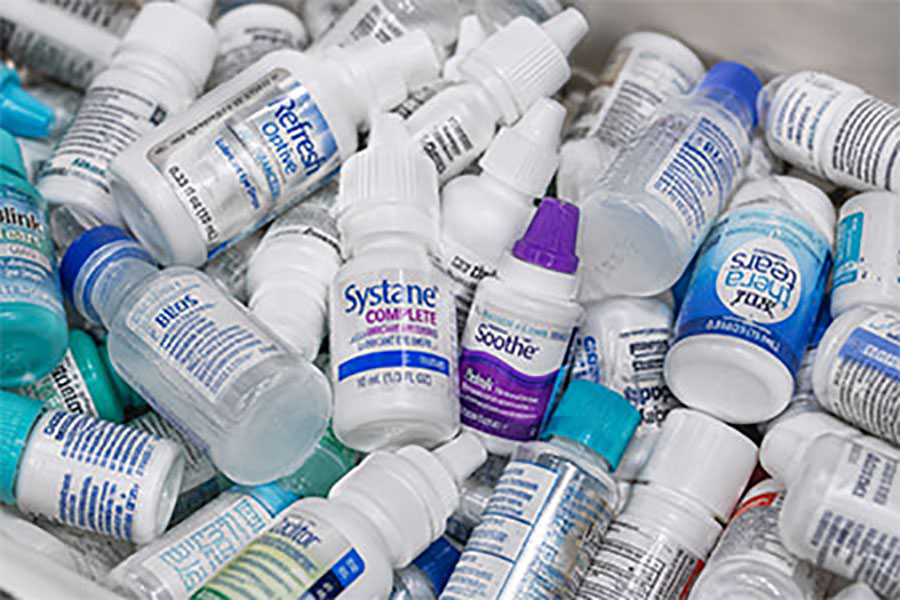
We have all used eye drops for various reasons at one time or another. Eye drops may help relieve symptoms such as dryness, redness, itching, soreness, swelling or discharge. Because they contain a variety of different combinations of ingredients or medications, they can treat many different eye conditions and concerns.
Some eye drops can be bought over the counter without a prescription, while others require a prescription. Knowing which type to use and how to use them safely is essential for taking good care of your eye health. And knowing how and when NOT to use eye drops can be just as important.
EYE DROPS FOR REDNESS
Redness-relieving or decongestant eye drops contain an ingredient that reduces swelling in the tiny blood vessels on the white of the eye, easing the inflammation. While they may help to minimise redness, they can mask an underlying problem or make it worse, so it is advisable to identify the cause of the redness.
Overuse of these drops may exacerbate the redness, or the eyes may become reliant on them, creating a rebound effect and causing greater redness when you stop using them. It is best to avoid redness-relieving eye drops if your eyes are dry. Their decongestant medicine may make dry eyes look less red, but it can worsen the dryness.
EYE DROPS FOR DRYNESS
Artificial tears mimic natural tears. They lubricate the eyes and provide relief for short-term dry eyes, which may be caused by eye strain, being outdoors in dry or windy weather, tiredness, or other temporary problems.
Because many artificial tear products contain preservatives that may irritate the eyes, choosing preservative-free artificial tears can help if the drops are used on a regular basis.
Your optometrist may prescribe prescription eye drops for more complicated, severe or longer-lasting eye conditions.
EYE DROPS FOR ITCHINESS AND ALLERGIES
Common allergens, such as pollen and pet dander make the eyes red, watery and itchy due to histamines, natural chemicals released by the body in response to allergens. Most eye drops for allergies contain an antihistamine to temporarily relieve the symptoms, as well as chemicals to block the release of histamines and help prevent future allergic reactions.
EYE DROPS FOR INFECTIONS
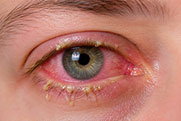
Different types of eye drops are required for different types of eye infections.
Viral conjunctivitis often causes red, itchy eyes with clear, watery drainage. There’s usually no treatment for this type of infection, but lubricating eye drops can help relieve discomfort while the infection runs its course.
Bacterial conjunctivitis typically makes the eyes red and irritated, and the discharge can make the eyes feel sticky. It is generally treated with antibiotic eye drops.
Consult your optometrist who can diagnose the type of infection and prescribe the appropriate treatment.
EYE DROPS FOR SORENESS, SWELLING OR DISCHARGE
It is important to know the underlying cause of these symptoms before treating them. The eyes can become sore because they’re dry or strained, but soreness may also be caused by a more serious eye problem, such as an infection. Puffy eyes can be caused by everyday factors like not getting enough sleep, but swollen eyelids that are red or painful could be caused by an infection or injury. Artificial tears may soothe mild soreness, but it may be necessary to treat other problems with eye drops prescribed by an optometrist.
EYE DROPS FOR CONTACT LENSES
Rewetting eye drops are lubricating drops specially formulated for contact lenses, providing relief for contact-lens-related discomfort that can make the eyes feel dry and irritated. Unlike rewetting drops, many eye drops are not intended for contact lens wearers, and the lenses may need to be removed before the drops are applied. Always check with your optometrist to make sure your lenses are compatible with the eye drops.
BENEFITS AND RISKS OF EYE DROPS
The benefits of using eye drops vary widely depending on which type of drops you use, why you use them and how well they work. Generally, they are safe, easy to use and very effective. Lubricating eye drops or artificial tears help replace the eye’s natural moisture to relieve dryness and irritation and promote comfort.
For an injured eye, they promote surface healing, increase comfort by reducing the feeling of a surface scratch and flush out any residual contaminating or injurious particles. Anti-allergic drops alleviate the burning and stinging of the eyes that is common with allergies. Eye drops for glaucoma drops reduce the risk of blindness in this condition by relieving the pressure inside the eye which could otherwise harm the sensitive retina.
One of the disadvantages of eye drops is that they may mask underlying conditions by treating the symptoms of a condition but not the condition itself. Using the wrong eye drops can prolong eye problems or make them worse. Because they bypass the eye’s main defenses, the wrong eye drops can put your eyes at risk for serious complications.
Steroid and antibiotic eye drops that are commonly used to treat eye infections must be continued for as long as prescribed or the infection may come back. Redness-relieving drops contain decongestants which constrict the blood vessels in the conjunctiva and make the eye appear whiter.
With continued use for a long time, the blood vessels of the eyes become more dilated, causing a rebound effect. They can also cause the eye to feel dry due to reduced tear secretion.
Preservatives and thickening agents in eye drops can cause irritation of the eye if used for too long. Even artificial tears may cause side effects such as transient clouding of vision immediately after application. If over-the-counter eye drops are required every few days or every day, it is wise to see an optometrist rather than continue self-treatment. No eye drop solution should be used for more than four months after opening it as fungal or bacterial contamination is very likely.
USING EYE DROPS SAFELY
The eyes are particularly vulnerable to infection, so always wash your hands before applying eye drops. Use drops prescribed for you exactly as instructed.
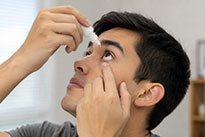
Don’t use someone else’s eye drops. Uncapped or unclosed eye drop bottles are at risk for contamination from germs and harmful substances, so ensure that they are closed after use. Don’t touch the dropper tip to your eye. Don’t use expired eye drops, as they may no longer be effective or may cause unwanted complications.
The eyes automatically and reflexively blink when something touches the eyelashes or eye surface. While that reflex is there to protect you, it might be frustrating if it makes it hard to put in drops. Be patient.
It is a good idea to talk to your optometrist if you experience an eye problem. An optometrist can determine if the condition is treatable with eye drops and recommend specific types of products that are appropriate for you.